№ 01
Lampadari
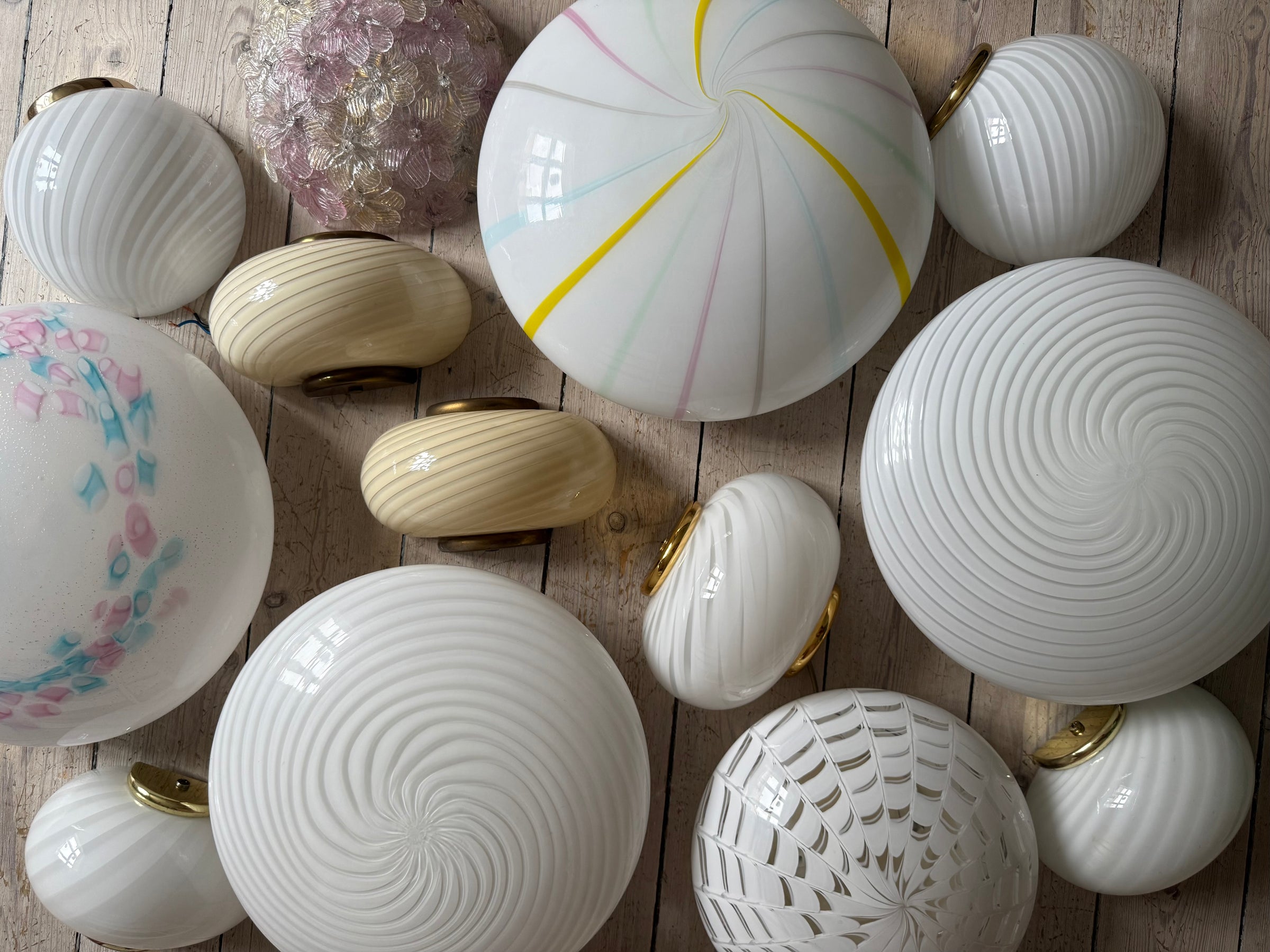
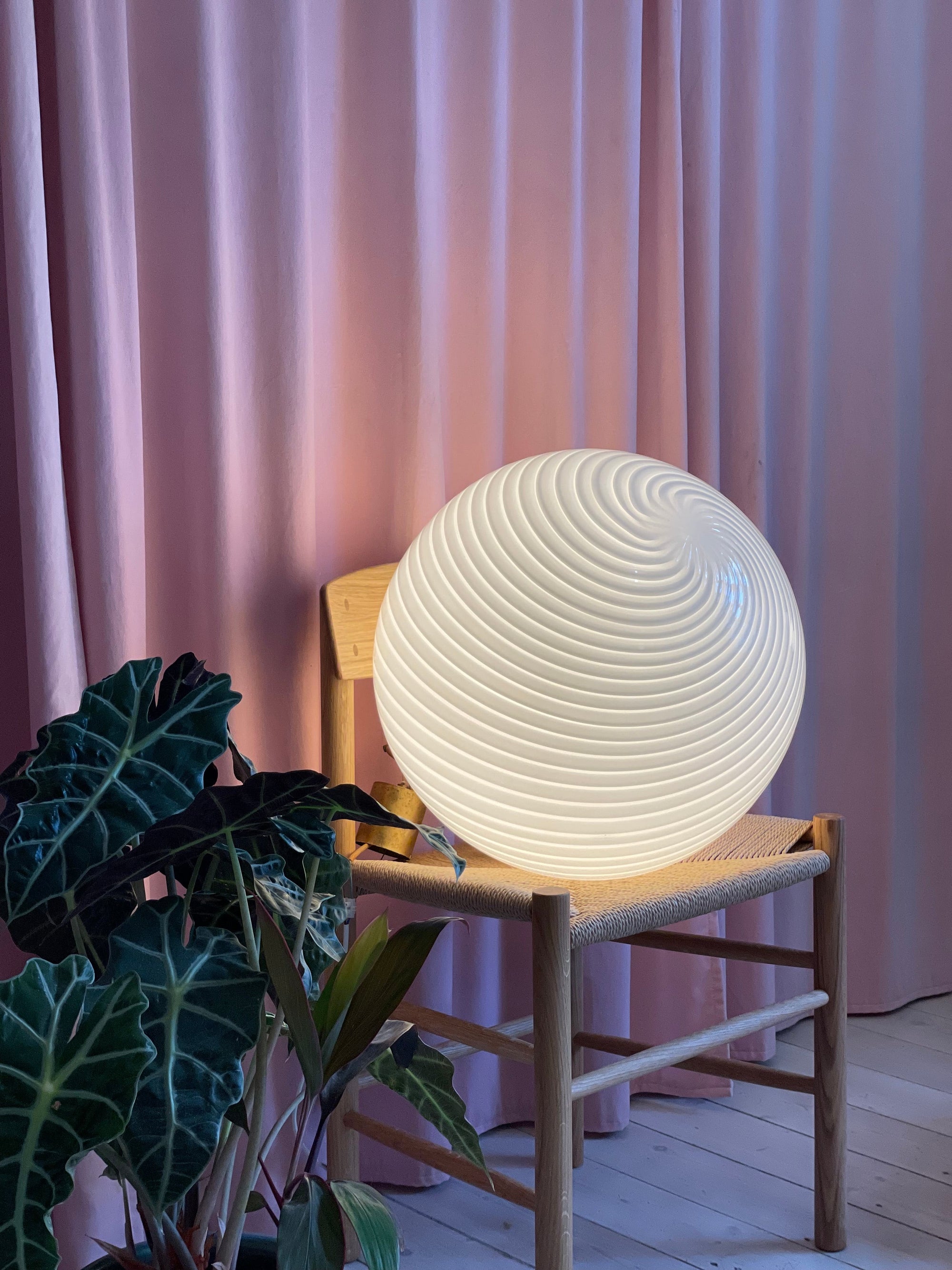
Murano ceiling lamps
We always have plenty of beautiful Murano ceiling lamps in the shop — pendants, plafonniers and chandeliers in everything from white swirls to pastel ribbons.
See the collection →From 4,500 DKK
Murano
We travel to Italy regularly and bring home Murano lamps and glass we'd want in our own home. Everything is secondhand, everything is unique — and we pack each piece carefully before it heads out into the world.
Help me choose →№ 01
Lampadari
We always have plenty of beautiful Murano ceiling lamps in the shop — pendants, plafonniers and chandeliers in everything from white swirls to pastel ribbons.
№ 02
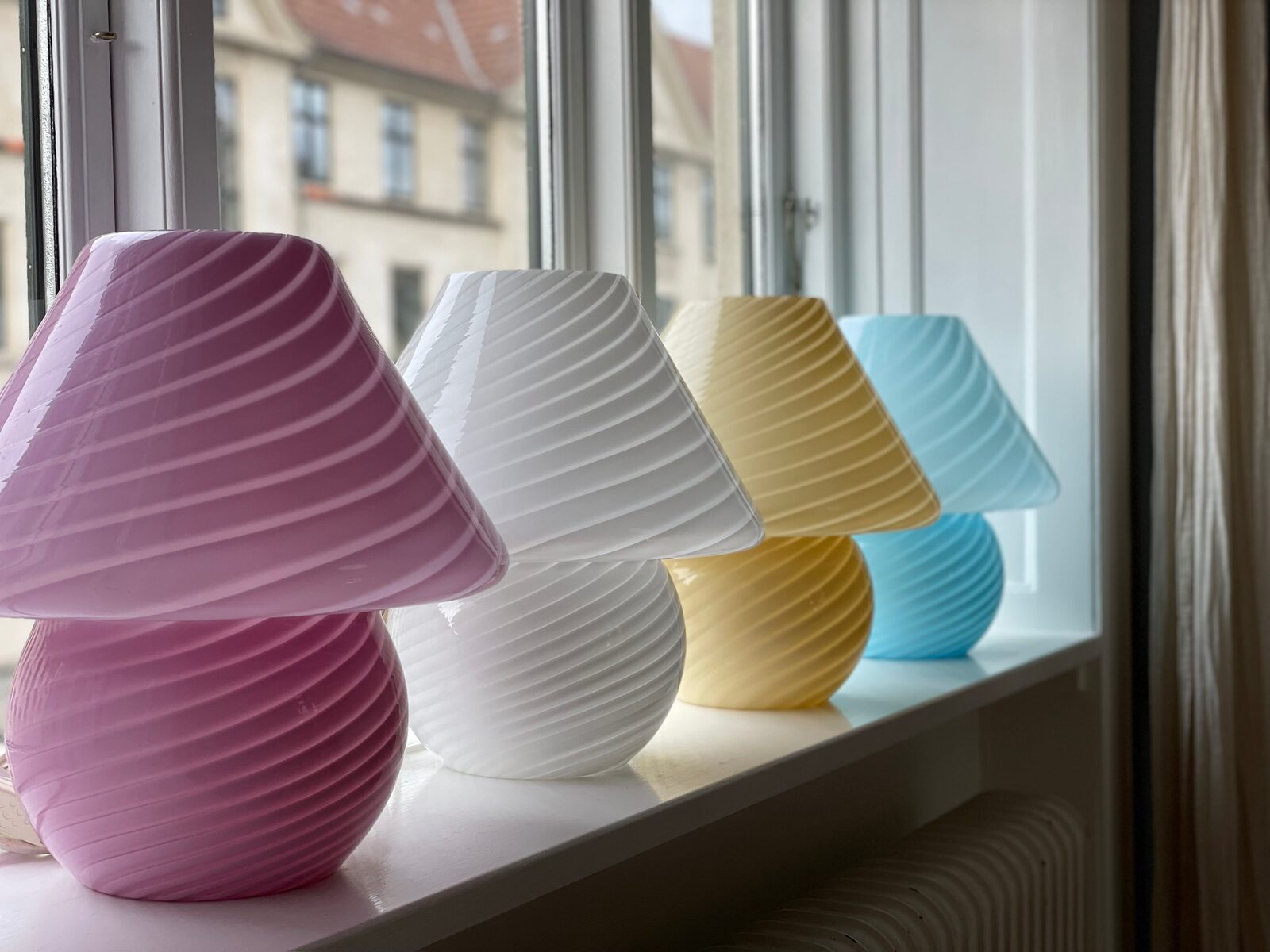
Funghi
We always have plenty of beautiful Murano mushroom lamps in the shop — in pink, white, butter yellow and pale blue.
№ 03
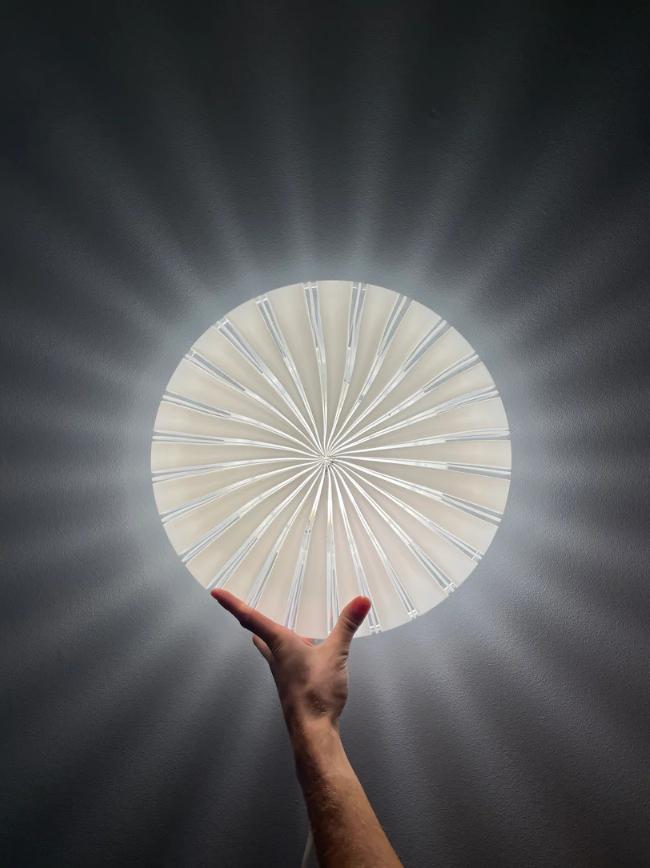
Appliques
We always have plenty of beautiful Murano wall lamps in the shop — perfect for an entry, hallway or beside the bed.
Knowledge
Everything we know about vintage Murano glass — techniques, makers, history and care.
1291
The year the glassmakers were moved to Murano so Venice wouldn't burn down.
1,450°C
The temperature where colour, gold leaf and air melt into one.
One of a kind
Every piece is unique. When it's sold, it's sold.